The girl across from me on the subway couldn’t stop checking her reflection in the dark window. Not in a vain way, more like she was searching for something. Her eyeliner was perfect, outfit on point, hair clearly styled with care. Yet every time her gaze met her own eyes, her shoulders fell a little, as if some invisible inner critic had just whispered, “Not enough.”
When she finally looked up, she caught a glimpse of another woman nearby. Same age, messy bun, no makeup, laughing loudly at a meme on her phone. People kept glancing at the laughing woman, smiling without even realizing it.
Same carriage, same city, same lighting. Completely different glow.
When the mirror lies and your energy tells the truth
We talk about beauty like it’s a checklist. Clear skin. Defined jawline. Tiny waist. Full lips. Whatever the trend of the year demands.
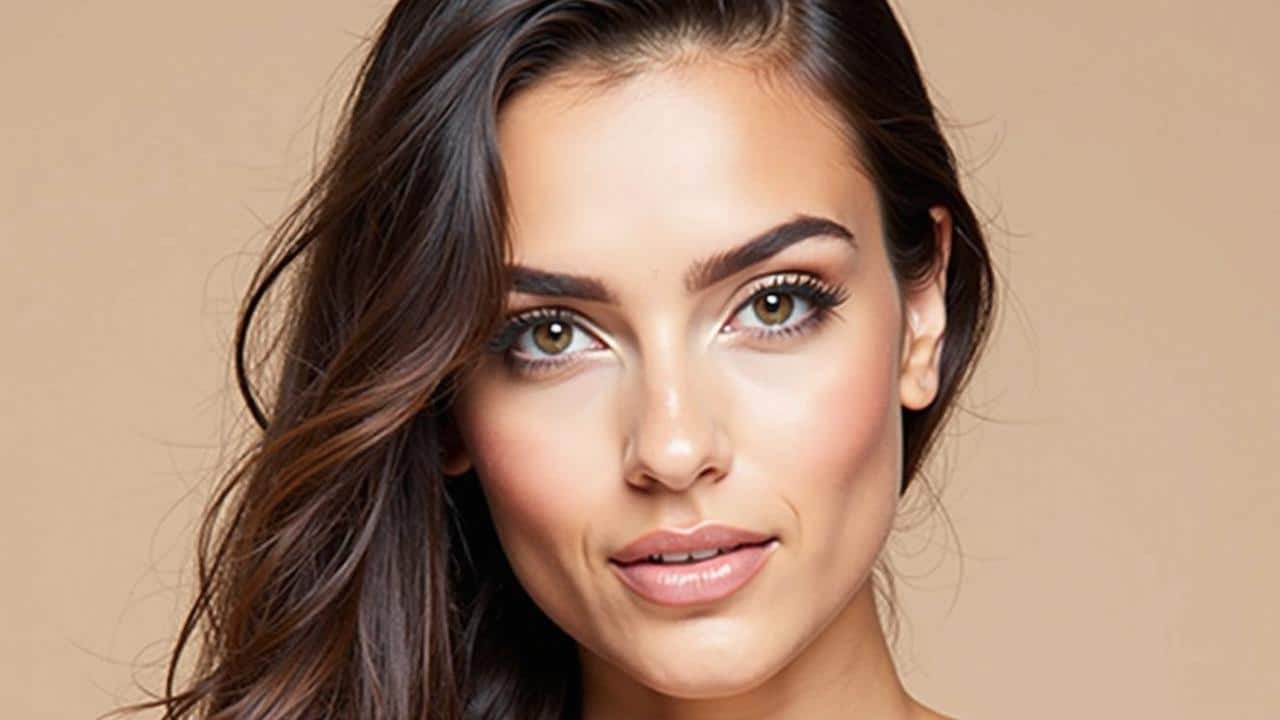
Yet walk into any café and you’ll spot that one person who pulls your attention without being “perfect” at all. Their features might be average, even “flawed” by magazine standards, but something about the way they exist in their own body feels magnetic. They move like they belong in the room. They take up space without apologizing.
What you’re actually seeing isn’t a face. It’s self-perception, made visible.
A few years ago, researchers showed a group of volunteers two sets of faces: one neutral, one with subtle signs of confidence — slightly lifted chin, relaxed shoulders, engaged gaze. People consistently rated the “confident” faces as more attractive, even when the physical features were identical.
Think about the friend who became more beautiful after leaving a toxic relationship. Same nose, same height, same wardrobe budget. Different way of walking into a bar. Or the colleague who got promoted and suddenly everyone started saying, “You look amazing, what did you change?” when the only change was how they saw themselves at 9 a.m. in front of the bathroom mirror.
The external story rarely shifts first. The inner script does.
That script is written early. Maybe a parent teased your body. Maybe classmates commented on your skin. Maybe your first crush made a joke you pretended not to hear. Those moments sink into the background and become the lens through which you see every selfie, every reflection, every tag on social media.
➡️ Glass skin routine: essence stacking for mirror-like radiance
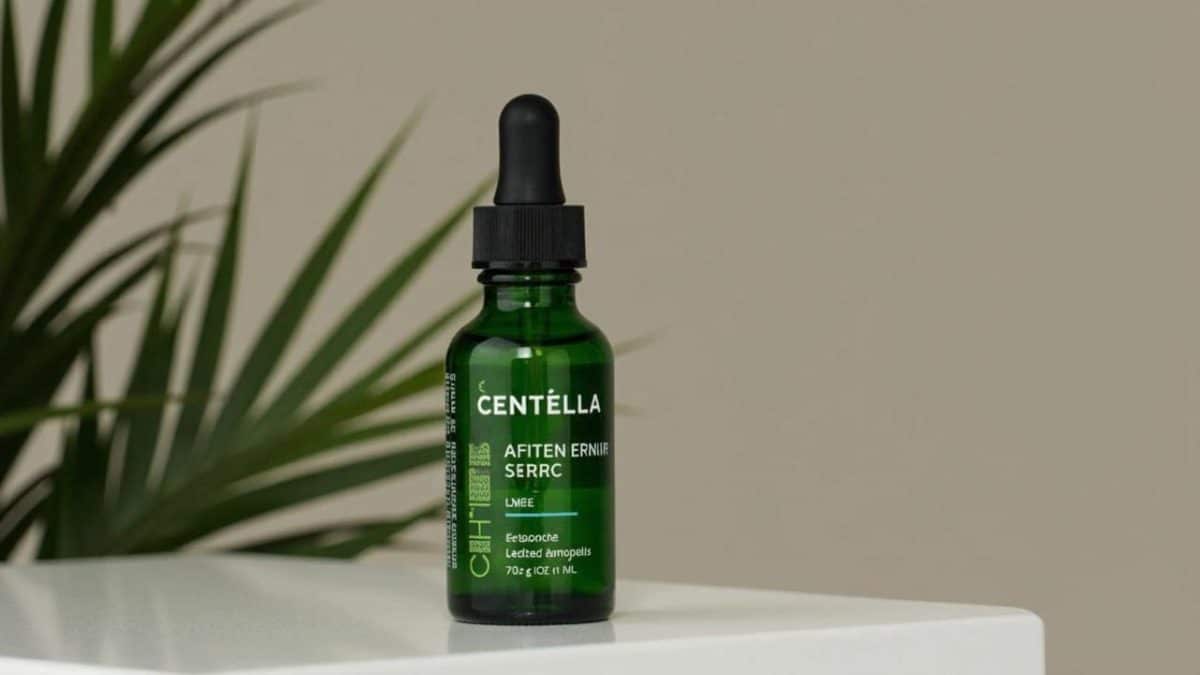
➡️ Centella ampoule serum: soothe redness and heal acne scars
➡️ The halo effect explained: beauty's hidden impact on career success
➡️ Ethical beauty mindset: balancing enhancements with authenticity
➡️ Master purple blush: the runway trend transforming cheek contours
➡️ Boho bob haircut: wavy layers for casual chic vibes
➡️ Cherry cola hair color: blend reds and browns for fall depth
➡️ Why snail serum is the 2026 skincare secret for glowing skin
When your inner lens is scratched with “not good enough”, your brain edits reality. Compliments slide off. Criticism sticks like glue. You zoom in on pores, not on presence.
*The strange thing is, while you’re obsessing over a tiny “flaw”, other people are mostly noticing how you look at yourself.*
Training the gaze that matters most: your own
One simple but uncomfortable practice: catch yourself in the mirror and describe yourself out loud like you would a friend. Not your features, but your presence. “You look kind of tired, but you seem strong today. Your eyes look softer when you’re not frowning at your phone.”
Do this in those boring, in-between moments: brushing your teeth, washing your hands, waiting for the shower to heat up. The goal isn’t to convince yourself you’re a supermodel. It’s to switch from hostile commentator to curious observer.
The more neutral your inner narrator becomes, the less brutal the mirror feels.
A common trap is waiting to feel confident before acting confidently. You think, “Once I lose weight, I’ll wear that dress,” or “Once my skin clears, I’ll stop hiding in photos.” So your life gets put on pause, pending some future version of you.
That pause steals years. It steals birthday pictures, beach trips, job interviews, random nights out where you could have been in the frame instead of behind the camera. Let’s be honest: nobody really does this every single day.
But each tiny act of behaving like you belong — raising your hand in a meeting, standing up straight when you enter a room — chips away at the old story.
“Confidence isn’t thinking you’re the most beautiful one in the room. It’s forgetting to rank yourself at all.”
- Shift the question
Move from “Do I look pretty enough?” to “Do I feel present enough?” The second question opens space for real change. - **Use the body as a shortcut**
Unclench your jaw, lower your shoulders, lift your chest. Your nervous system reads these as safety signals, which can soften harsh self-judgment. - Audit your inputs
Unfollow three accounts that make you feel smaller. Follow three that show diverse, joyful faces and bodies. Your feed trains your standards.
When your standard quietly rewrites the collective one
There’s a hidden side effect to changing how you see yourself: it shifts what other people consider beautiful, too. Not in a grand, global way overnight, but in the small universe you move through every day.
Think of the friend who stopped filtering every photo and suddenly your whole group became more relaxed about double chins and real skin. Or the colleague who wore her natural curls to work for the first time and, a month later, three more people showed up with their own.
Beauty standards don’t just fall from the sky. They’re negotiated silently in offices, metro stations, family dinners, Instagram stories.
When you start treating your body less like a project and more like a partner, you send a subtle but powerful signal. People notice that you eat dessert without apologizing, that you take selfies without needing 27 retakes, that you go makeup-free some days and don’t comment on it.
They may not say anything, but their internal scale tilts a little. “Maybe that’s allowed. Maybe that’s okay. Maybe that’s… actually attractive.” The standard stretches, one quiet act at a time.
This doesn’t erase pressure or undo decades of narrow ideals. It just proves that your self-perception is not a private hobby. It’s contagious.
You’re probably not going to wake up tomorrow utterly in love with every angle of your face. Hollywood arcs like that are rare in real life.
What you can do, today, is slightly loosen your grip on the belief that beauty lives out there — in other people’s eyes, on other people’s bodies, in numbers, filters, or sizes. Your reflection will still have good days and bad days. Photos will still catch you mid-blink.
The question is slowly becoming less “How do I fix this?” and more “How do I want to feel living in here?”
| Key point | Detail | Value for the reader |
|---|---|---|
| Inner script shapes beauty | Self-perception filters how we see our own face and how others read our presence | Helps readers understand why they feel “less attractive” even when nothing physical has changed |
| Confidence is behavioral, not mystical | Small, repeated actions (posture, voice, participation) train a more neutral, then kinder, inner gaze | Offers concrete steps instead of vague “love yourself” slogans |
| Personal standards ripple outward | How we treat our own image quietly loosens rigid beauty norms in our circles | Gives readers a sense of quiet power over the beauty narrative around them |
FAQ:
- How do I start feeling attractive when I’ve never liked my looks?Begin with neutrality, not love. Describe yourself factually in the mirror without insults, and practice acting as if you belong in photos and rooms, even if your brain disagrees at first.
- Can confidence really outweigh conventional beauty?Many studies and everyday experience point to yes. People consistently rate relaxed, engaged, self-accepting faces as more attractive than tense, self-critical ones with “better” features.
- What if people around me keep commenting on my appearance?Set gentle boundaries: shift conversations to how you feel or what you’re doing, not how you look. Repeatedly redirecting the focus trains others to see more than your surface.
- Is it wrong to still enjoy makeup, fashion, or cosmetic tweaks?No. The key difference is whether you’re using them as expression and play, or as a desperate attempt to finally feel “enough.” The same act can come from very different intentions.
- How long does it take to change my self-perception?There’s no fixed timeline. Many people notice small shifts within weeks of consistent practice — standing taller, appearing in more photos, speaking up more — even if the old voice still pops up sometimes.