The girl in the café bathroom is perfect until she taps “0.5x” on her camera.
Her cheekbones jump, waist narrows, eyes stretch just a bit too far. She smiles, hesitates, deletes the photo, then does it all again. Outside, her friends are laughing over oat lattes. Inside, she is warping herself into someone she might get more likes as.
On the street, billboards shout about “natural glow” brought to you by six syringes and a payment plan. Your explore page is the same face copy-pasted in different cities. Somewhere between contour sticks and dissolvable threads, the line between “enhancing” and “erasing” has gone blurry.
We’re not just doing beauty anymore. We’re negotiating identity.
When beauty stops being play and starts feeling like pressure
Scroll long enough and you start to notice it: everyone looks… edited.
Skin textures vanish, pores resign, jawlines sharpen like a Netflix reboot. You know it’s filters, fillers, clever angles. Still, a tiny voice whispers, “Maybe you should fix yourself a bit too.”
This is where the ethical beauty mindset begins: not with rules, but with that uncomfortable whisper.
Where is my choice, and where is the script I’ve silently swallowed from trends, brands, and influencers who swear they “just drink water and use SPF”?
Beauty can be joyful play.
It can also become a quiet obligation that sits on your shoulder like a tiny, very critical stylist.
Take Sofia, 29, who booked lip filler “just to look fresher on Zoom.”
She went to a clinic with fluorescent lighting and glossy before/after boards pinned on the wall like trophies. The consultation lasted eight minutes. The nurse barely asked why she wanted it; they went straight to volumes and prices.
Three months later, Sofia told me she didn’t regret the procedure itself.
She regretted never asking a single question about the emotional cost.
She started avoiding photos where her lips looked “too small,” even old family pictures from years ago. Her idea of her own face had updated — permanently — to a version that only existed with product in it.
Enhancement gave her a boost.
It also quietly rewrote her baseline of “acceptable.”
That’s the ethical tension hiding inside modern beauty.
Not “Is Botox evil?” or “Is makeup feminist?” but a more intimate question: “Who benefits from me feeling not quite enough?”
➡️ Milky toner magic: hydrate and balance oily skin overnight
➡️ Thermal brush styling: smooth frizz for salon-worthy blowouts
➡️ Centella ampoule serum: soothe redness and heal acne scars
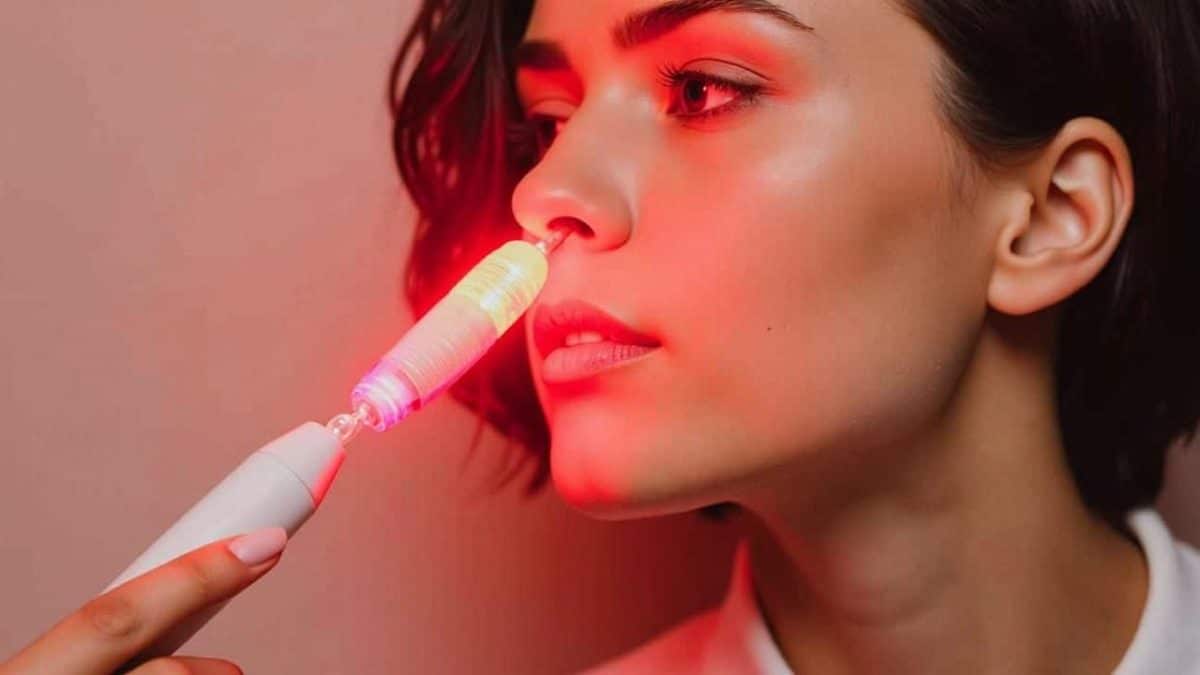
➡️ Red light wand therapy: erase fine lines in just 10 minutes daily
➡️ The halo effect explained: beauty's hidden impact on career success
➡️ Master purple blush: the runway trend transforming cheek contours
➡️ Proactive preventative skincare: exosomes for long-term youth
➡️ Glass skin routine: essence stacking for mirror-like radiance
Brands and platforms thrive on micro-dissatisfaction.
The almost-there feeling that keeps you reaching for just one more serum, one more tweak, one more procedure that will finally, finally close the gap between your mirror and your mental Pinterest board. *It never really does.*
An ethical beauty mindset doesn’t mean rejecting enhancements.
It means seeing the machine around you clearly, then deciding where you stand, eyes open, jaw relaxed, shoulders down.
Building an ethical beauty routine that still lets you play
Start from the inside out, but not in the cliché way.
Before buying or booking anything, sit with one simple question: “What feeling am I actually chasing?” Confidence? Belonging? Youth? Safety? A bit of revenge on your teenage acne years?
Write it down somewhere you won’t lose it.
Then, for every product or procedure you consider, ask, “Will this genuinely support that feeling, or just distract me from the discomfort for a few weeks?”
This tiny pause shifts beauty from autopilot to intention.
Suddenly, you’re not just a consumer of trends. You’re editing your own script, one small choice at a time.
Next, zoom in on your daily gestures, the ones you repeat on tired mornings.
Do you slam concealer under your eyes like you’re erasing a mistake, or do you treat it like light, a bit of help after a rough night? The action is the same. The attitude is not.
An ethical beauty mindset shows up in these micro-moments.
You can still love lash lifts, retinol, even a well-done tweakment. The difference is that you’re not using them to hide from your face, but to collaborate with it.
Let’s be honest: nobody really does this every single day.
You will have “I hate my skin” days. You will zoom in on pores. The point isn’t perfection, it’s catching yourself sooner, with less cruelty, and stepping back.
You can also create a few non-negotiables that anchor you when trends get loud.
“Ethical beauty,” says London-based psychologist and beauty researcher Dr. Laila Mansour, “is less about what you do to your face and more about whether you still recognise yourself afterward — and whether you feel you had a real choice.”
- One filter-free mirror moment per day, where you meet your face as it is, even for 10 seconds.
- A spending boundary for beauty each month, to avoid panic purchases when insecurity spikes.
- At least one “no performance” day weekly: basic hygiene, maybe SPF, nothing meant for anyone else’s gaze.
- A short list of hard lines: things you won’t do just because they’re trending (fox eyes, buccal fat removal, extreme slimming teas, etc.).
These simple, slightly messy guardrails don’t make you boring.
They make you the author, not just the canvas.
Staying real in a world that keeps editing the frame
The strangest part of this era is that authenticity has become a branding strategy.
Influencers cry on camera about “being real” while posting sponsored skin routines that cost a small mortgage payment. Celebrities call their faces “natural” after a team of dermatologists, lasers, and nutritionists have quietly done their work backstage.
You’re not wrong to feel confused.
Ethical beauty lives in that confusion, not outside it. It’s the decision to ask, “What’s edited here? What’s undisclosed? What pressure is this image trying to put on me?”
And sometimes, the bravest thing is to leave the question hanging, without a neat answer.
| Key point | Detail | Value for the reader |
|---|---|---|
| Clarify your “why” | Identify the feeling driving each beauty choice before spending or booking | Reduces impulse decisions and regret around procedures or products |
| Set personal boundaries | Define spending limits, hard lines, and offline rituals with your unedited face | Protects mental health and preserves a sense of self under trend pressure |
| Question the narrative | Actively notice editing, filters, and commercial interests in beauty content | Helps you reclaim agency and build a more ethical, conscious beauty mindset |
FAQ:
- Question 1Can I be “ethical” about beauty if I already use filters or have had work done?
- Answer 1
It’s not a purity test. Ethical beauty starts the moment you become more honest with yourself about why you choose certain things, how they affect you, and who’s influencing those desires. Your past choices don’t disqualify you; they’re data you can learn from.
- Question 2Where’s the line between self-care and self-erasure?
- Answer 2
Ask how you feel after the ritual or procedure. Do you feel more like yourself, or like you’re auditioning for a role? If your baseline of “acceptable” keeps shifting further away from your natural face, that’s a sign you’re moving toward erasure.
- Question 3Is it wrong to want cosmetic procedures just to feel prettier?
- Answer 3
Wanting to feel prettier is human. The ethical layer is about context: Are you informed? Rushed? Pressured by a partner, workplace, or trend? Have you considered psychological support alongside physical changes, especially for bigger procedures? Those questions matter as much as the syringe or scalpel.
- Question 4How can I talk to friends who are going “too far” with enhancements?
- Answer 4
Drop the judgment and start with curiosity. You can say, “I’ve noticed you’ve been changing a lot; how are you feeling about it all?” Focus on their emotions, not their appearance. Offer support, not lectures. People rarely rethink cosmetic choices because someone shamed them.
- Question 5What’s one small step I can take this week toward a healthier beauty mindset?
- Answer 5
Pick one: unfollow three accounts that make you feel worse about your face, have one honest mirror moment without filters, or write down your “why” before your next beauty purchase. Tiny, repeatable actions shape your mindset more than grand declarations.