The aesthetic doctor leans over a woman in her early thirties, not a single visible wrinkle on her forehead. She isn’t here to “fix” anything. She’s here not to age like her mum did, “all at once, at 48,” as she whisper-jokes, tugging gently at the skin near her jaw. On the tray beside her: not syringes of filler, but tiny vials labeled with a word that sounds more sci‑fi than skincare — exosomes.
The lights hum, the device warms, and on her phone she scrolls through photos of her 25-year-old self. The differences are invisible to anyone else, but she swears she sees them.
She’s not chasing eternal youth. She’s trying to slow down the clock before it speeds up.
The quiet shift from repair to prevention
Walk into any modern skin clinic and you’ll notice it: the waiting room isn’t full of people trying to “reverse” damage. It’s full of people trying not to get there in the first place.
The new buzzword? **Proactive preventative skincare**. And exosomes are becoming the poster child for this shift, sliding into conversations that used to be reserved for retinol and sunscreen.
This isn’t about emergency rescue after a bad sun decade. It’s about quietly supporting your skin’s own repair systems before they crash.
Take Mia, 29, who started exosome facials after a laser treatment she booked “way too young,” as she puts it. The laser was for minor acne scars, nothing dramatic. Her doctor suggested combining it with exosomes to help her skin bounce back faster.
Three months later, her selfies aren’t “filtered glow” anymore. Her skin texture looks surprisingly even, her redness calmed down, and her friends keep asking what highlighter she’s using. She laughs. “Honestly? It’s these weird exosome things my dermatologist loves.”
It’s a small story, but it captures a bigger shift: people in their late twenties acting before the first deep line ever appears.
So what are exosomes, beyond the shiny marketing? Think of them as tiny messengers that cells use to talk to each other. They’re like microscopic USB sticks delivering instructions: build more collagen, calm inflammation, repair faster.
➡️ High burst fade haircut: precision tips for sharp modern edges
➡️ Ethical beauty mindset: balancing enhancements with authenticity
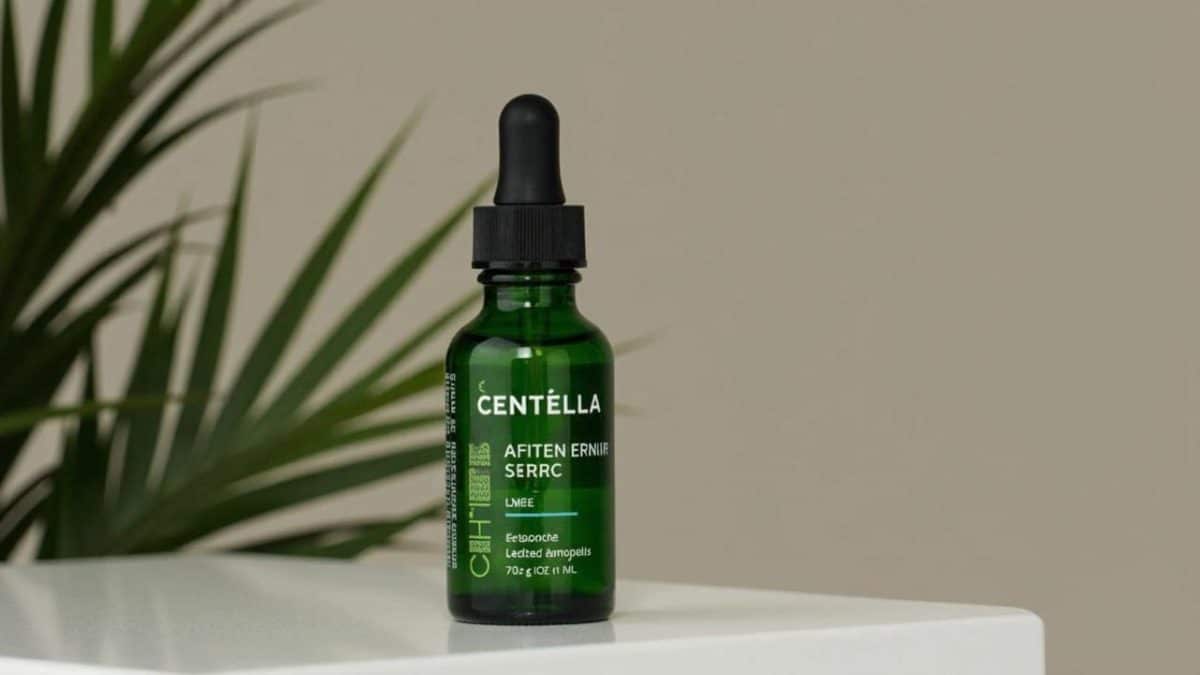
➡️ Centella ampoule serum: soothe redness and heal acne scars
➡️ Red light wand therapy: erase fine lines in just 10 minutes daily
➡️ Milky toner magic: hydrate and balance oily skin overnight
➡️ Master purple blush: the runway trend transforming cheek contours
➡️ The halo effect explained: beauty's hidden impact on career success
➡️ Glass skin routine: essence stacking for mirror-like radiance
Skincare used to focus on throwing active ingredients at the skin from the outside. Exosome-based treatments try to whisper directly to your cells, encouraging them to behave like younger, more efficient versions of themselves.
*That’s why they’re being sold not as a miracle cure, but as a long-game strategy.*
How to bring exosomes into a real, human routine
The most powerful way exosomes are used right now is in-clinic, often paired with procedures that trigger controlled damage — like microneedling, lasers or radiofrequency. The skin is gently “opened,” then flooded with exosomes that guide the healing process.
If you’re thinking proactive, the sweet spot often starts in your late twenties or thirties, when collagen is quietly declining, not collapsing yet. A typical protocol looks like a series of sessions, spaced a few weeks apart, then maintenance a few times a year.
You’re not trying to look 10 years younger overnight. You’re trying to look strangely well-rested for your age, for a very long time.
At home, the story is messier. There are exosome serums popping up online with beautiful bottles and vague sourcing. Some are legit, some are… creative with their claims. This is where many people stumble.
We’ve all been there, that moment when you buy a “future of skincare” product at 1 a.m. and then feel vaguely scammed two weeks later. The plain truth: **not all exosome products are created equal**.
The most reliable options today still come from medical-grade lines, often sold through clinics, tied to real studies, with clear origin and storage instructions.
“Exosomes are tools, not magic,” says Dr. Elena V., a dermatologist who’s been using them for five years. “Used early and wisely, they protect your skin’s ‘savings account’ of collagen. Used randomly, they’re just an expensive step in your routine.”
- Ask where the exosomes come from
Human stem-cell derived? Plant-inspired? Lab-engineered? The source affects both safety and effectiveness. - Check how they’re stored
Real exosome formulas are sensitive. If it’s sitting warm on a random shelf for months, question it. - See what it’s paired with
Best results show up when exosomes follow microneedling, laser or energy-based treatments, not as a solo hero once in a while. - Look for realistic language
Words like “support,” “assist,” “enhance repair” signal a brand grounded in science. Big promises of reversing 20 years of aging? Red flag.
Rethinking “aging well” in the exosome era
Preventative skincare used to mean SPF, a decent cleanser, and maybe retinol once the first fine line appeared. Now, the conversation touches cellular communication, bio-signaling, and long-term tissue quality. That can feel thrilling or overwhelming, depending on your mood and your last bank statement.
Let’s be honest: nobody really does this every single day. Life gets in the way. Budgets flex. Some months you’re getting microneedling with exosomes, other months it’s drugstore moisturizer and a prayer. And that’s okay. Real preventative care isn’t all-or-nothing; it’s consistent enough over years that your skin recognizes you tried.
The deeper question is more personal: what are you actually trying to prevent? Deep wrinkles? Sagging? A certain “tired” look you saw in a parent and promised yourself you’d dodge? Exosomes won’t freeze you in time, and they’re not a moral requirement for aging.
What they offer is a chance to support your skin’s biology instead of fighting it only when panic hits. For some, that feels empowering. For others, it feels like another pressure-packed item on the to-do list of “self-care.” Both reactions are valid.
There’s also a larger cultural undercurrent here. As tech and beauty blend, “starting early” is becoming the norm across everything: fertility, fitness, finance, now even skin. Some will lean into every new tool; others will opt out and age on their own terms.
You might end up somewhere in the middle. Maybe you’ll do a yearly exosome-assisted treatment, keep your sunscreen game strong, and call that your version of long-term youth. Maybe you’ll watch this trend evolve for a few more years before deciding.
The interesting part isn’t just the science — it’s how each of us quietly redraws the line between natural aging and smart prevention, one small choice at a time.
| Key point | Detail | Value for the reader |
|---|---|---|
| Exosomes as “cell messengers” | Tiny vesicles that carry repair and regeneration signals between skin cells | Helps you understand why they’re framed as a long-term, supportive tool |
| Best used with treatments | Often paired with microneedling, laser or RF to guide healing and boost collagen | Shows when exosomes are most worth the investment |
| Quality and source matter | Medical-grade products with clear origin and storage tend to be more reliable | Protects you from hype-driven, underperforming products |
FAQ:
- Are exosomes safe for long-term preventative use?Current data from reputable medical lines suggests they’re generally well tolerated, especially when used topically or post-procedure under professional supervision. Long-term studies are still evolving, so work with a provider who tracks your skin’s response over time.
- At what age does preventative exosome treatment make sense?For most people, late twenties to mid-thirties can be a reasonable window to start, particularly if you’ve had sun exposure, stress, or early textural changes. There’s no universal “right” age, just a mix of genetics, lifestyle, and goals.
- Can exosome serums replace retinol or vitamin C?No. Think of them as complementary, not substitutes. Retinoids and antioxidants still have strong evidence for prevention. Exosomes can sit alongside them, especially after procedures or when your skin needs extra support.
- Will I see instant results from exosomes?You might notice short-term glow or smoother texture, especially after in-clinic treatments, but the real value is cumulative. Exosomes are more about long-term skin quality than dramatic overnight before-and-after shots.
- How do I avoid wasting money on fake or weak exosome products?Look for brands used in medical settings, ask your provider about clinical data, and be wary of vague claims with no sourcing or storage details. If the marketing sounds too miraculous and the science is fuzzy, walk away.