The hiring manager glanced at the two CVs, then at the door. When Anna walked in, tall, glowing, everything seeming quietly “put together”, you could feel the energy in the room lean toward her. Same degrees, similar experience, even the same previous employer as the guy who’d just left. Still, as she sat down, smiles surfaced, shoulders softened, small jokes appeared that hadn’t been there ten minutes earlier.
Nobody mentioned her looks, of course. They talked about “presence”, “professionalism”, “confidence”. The decision felt rational, business-like, clean.
Later, one manager said: “She just seems like someone who’ll perform better.”
What if that feeling wasn’t about performance at all?
The silent advantage of a pleasant face
Most careers don’t turn on one dramatic moment. They shift on dozens of tiny, invisible nudges. A colleague gets more patient feedback, a manager gets the benefit of the doubt, a junior is invited to stay in the room when decisions are made.
The halo effect lives inside those nudges. When we see someone as attractive or well-presented, our brain quietly assigns them bonus traits: smarter, kinder, more competent, more trustworthy. We don’t notice the shortcut, yet we lean on it all the time.
On paper, we work in meritocracies. In real life, first impressions leave fingerprints on everything.
Psychologists have been tracking this bias for decades. In one famous study, teachers were given photos of students they’d never met. Attractive faces were consistently rated as more intelligent and more likely to succeed. The kicker? Those expectations later shaped how the students were treated.
In the workplace, the pattern echoes. Attractive people are more likely to be hired, earn higher salaries, and get better performance evaluations, even with identical résumés. It doesn’t mean they’re all coasting on their faces. It means the starting line quietly shifts.
We’ve all been there, that moment when two people say the same thing in a meeting, and one idea gets all the nods. Sometimes, the difference is nothing but the face delivering the words.
➡️ Beetlejuice lips: viral ombre tutorial for bold halloween vibes
➡️ Evolutionary psychology: how facial symmetry boosts attraction signals
➡️ Centella ampoule serum: soothe redness and heal acne scars
➡️ Furry nails trend: flocking powder tutorial for textured manicures
➡️ Confidence from within: how self-perception alters beauty standards
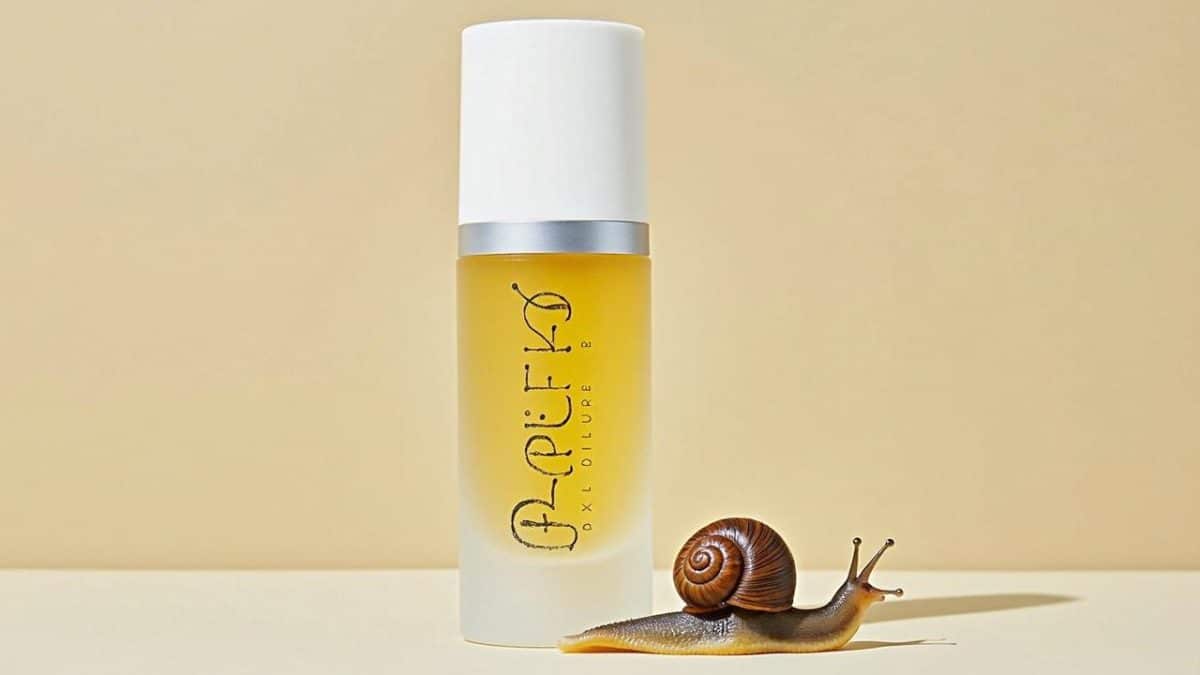
➡️ Why snail serum is the 2026 skincare secret for glowing skin
➡️ Thermal brush styling: smooth frizz for salon-worthy blowouts
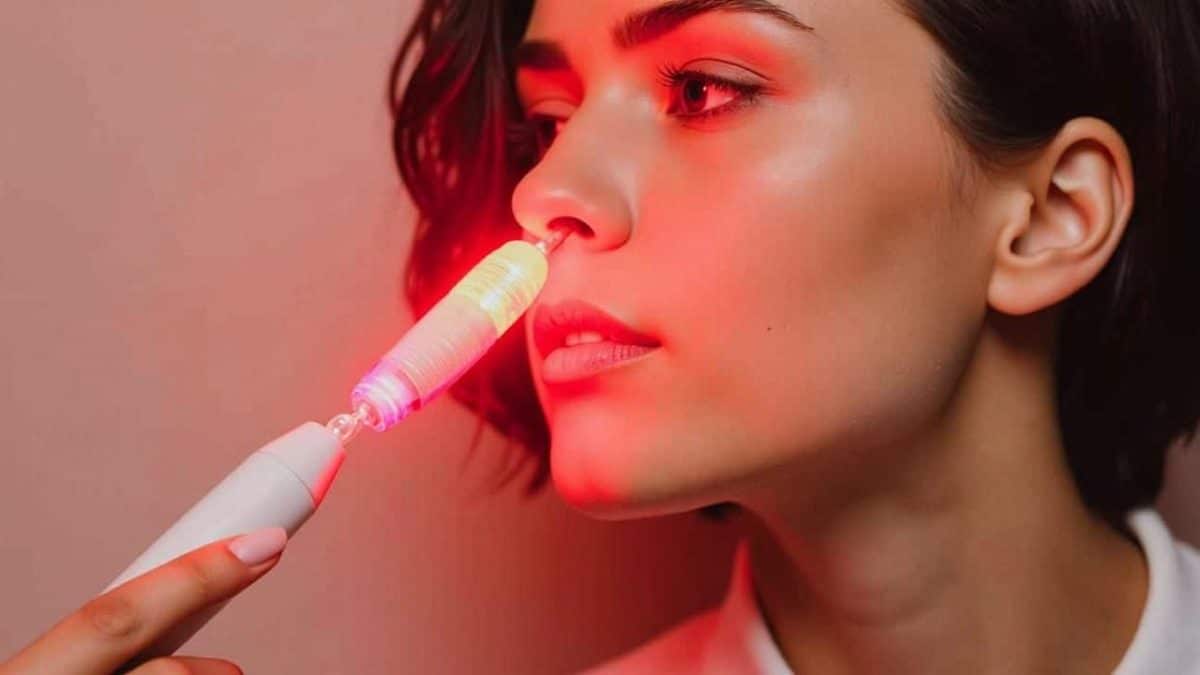
➡️ Red light wand therapy: erase fine lines in just 10 minutes daily
The logic behind the halo effect is brutally simple. Our brains are lazy, and the modern office is noisy. Appearance becomes a quick filter. Neatly dressed, symmetrical features, relaxed posture? The brain whispers: probably capable. Messy, tired, slightly awkward? The brain mutters: maybe not so reliable.
From an evolutionary standpoint, this shortcut once helped our ancestors size up allies and threats. In a glass-and-neon office, the same mechanism quietly decides who gets mentored, who gets client exposure, who gets forgiven after a mistake.
*The scary part isn’t that we have this bias, it’s that we call it “gut feeling” and trust it like gospel.*
Working with the halo effect without losing yourself
You can’t change your bone structure, but you can influence the signal your appearance sends. Start with what people actually process first: cleanliness, fit, and energy. Clothes that fit your body, not the mannequin’s. A simple, consistent grooming routine. Sleep that keeps your face alive instead of exhausted.
Think of it as building a subtle “professional aura”. Not Instagram perfection, just visible care. When someone glances at you across a meeting room, their brain writes a fast headline. Your job is to feed it something like: “Organized, awake, on top of things.”
This doesn’t require luxury brands. It requires choices that say: “I respect my work enough to show up as if it matters.”
There’s a trap here. Some people, especially those who’ve felt judged or excluded, respond by over-correcting. They obsess over every flaw, spend too much money, chase trends that don’t fit their personality or culture. That path kills confidence instead of building it.
Let’s be honest: nobody really does this every single day. Everyone has off days, greasy-hair days, “my shirt is wrinkled and I’m late” days. What counts is the overall pattern, not the occasional collapse.
The emotional work is accepting that bias exists without turning it into a personal verdict. You are not less worthy because you don’t look like a magazine cover. You’re playing a game where the rules are slanted. You can learn the rules without confusing them with your value.
“Beauty gives you a head start. Character decides whether you stay in the race.”
— Anonymous HR director, 20 years of hiring
- Invest in your “baseline look”: One or two outfits that always work, neutral colors, good fit, clean shoes. No thinking required on stressful mornings.
- Protect your face with habits: hydration, basic skincare, and work boundaries that limit chronic exhaustion. Tired is what people read first.
- Train your presence: Eye contact, upright posture, clear voice. These cues often matter as much as facial beauty.
- Use the halo effect for good: When you notice you’re favoring someone “because they seem sharp”, pause and check the evidence. Apply that same pause to yourself.
- Build “reputation beauty”: Over time, reliability, kindness, and results create their own aura. People begin to “see” competence before they see your face.
Beyond the mirror: what kind of success are we chasing?
Once you see the halo effect, you can’t unsee it. You notice who gets called on first in meetings. Who is described as “leadership material”. Who receives soft landings after big mistakes. That awareness can sting, especially if you’ve always felt outside conventional beauty norms.
Yet there is a strange freedom in naming the bias. You stop taking every slight as a personal failure and start recognizing the architecture around you. You can adjust your presentation where it feels respectful to yourself, and you can double down on the long game: skills, relationships, results that no pretty face can fake forever.
There’s also a deeper question floating under all this. If a system consistently rewards surface, what kind of leaders does it create? What kind of culture are we quietly approving every time we say someone “just has that look”? Your own career sits inside those questions. So does everyone else’s path, including the people whose talent you might be underestimating, simply because their beauty doesn’t glow in the first five seconds.
| Key point | Detail | Value for the reader |
|---|---|---|
| Halo effect shapes careers | Attractive or well-presented people are unconsciously seen as more competent and trustworthy | Helps you understand why some decisions at work feel “unfair” or irrational |
| Appearance is partly influenceable | Cleanliness, fit, posture, and energy signal professionalism more than pure facial beauty | Gives practical levers to improve first impressions without changing who you are |
| Long-term “reputation beauty” matters | Consistency, kindness, and performance build an aura that competes with physical looks | Encourages investing in sustainable traits that outlast superficial advantages |
FAQ:
- Does the halo effect only benefit very attractive people?Not only. The halo effect can kick in for anyone who reads as “pleasant” or “put together”, even if they don’t match beauty standards. Neat appearance, friendly expression and confident posture often matter more than model-level looks.
- Can I completely escape this bias in my career?Probably not. The halo effect is wired into human perception. What you can do is reduce its impact: standardize evaluations, use structured interviews, ask for specific feedback, and learn to notice when “gut feeling” is running the show.
- Is working on my appearance shallow or strategic?It depends on your intention. Treating your appearance as one tool among many is strategic. Chasing impossible standards that crush your self-worth drifts into shallow and self-destructive territory.
- How can managers reduce beauty bias in their teams?Use clear criteria for promotions and hiring, anonymize CVs where possible, diversify decision panels, and regularly ask, “What evidence do we have for this judgment?” That simple question disrupts a lot of unconscious halos.
- What if I feel I’ve always been penalized for my looks?First, your frustration is valid. Then, look for spaces where performance is more visible than appearance: expert communities, written work, remote projects. At the same time, experiment gently with presence, grooming and voice. Small changes can shift how others read you, without erasing who you are.