The first time you see real glass skin in person, it almost feels unreal. Not Instagram-filter unreal, but “wait, how is your face reflecting the café lights like that?” unreal. I noticed it on a friend I hadn’t seen in months. Her skin looked wet, but not greasy. Smooth, but not frozen. She swore it wasn’t makeup, just “a bit of toner and some essences”. Then she dropped a phrase I hadn’t heard before: essence stacking.
We’ve all been there, that moment when you glimpse someone’s skin and instinctively touch your own, half-curious, half-jealous.
What if that mirror-like glow wasn’t genetics or a €300 facial, but tiny transparent layers you can’t really see… until you do.
Why “glass skin” suddenly feels everywhere
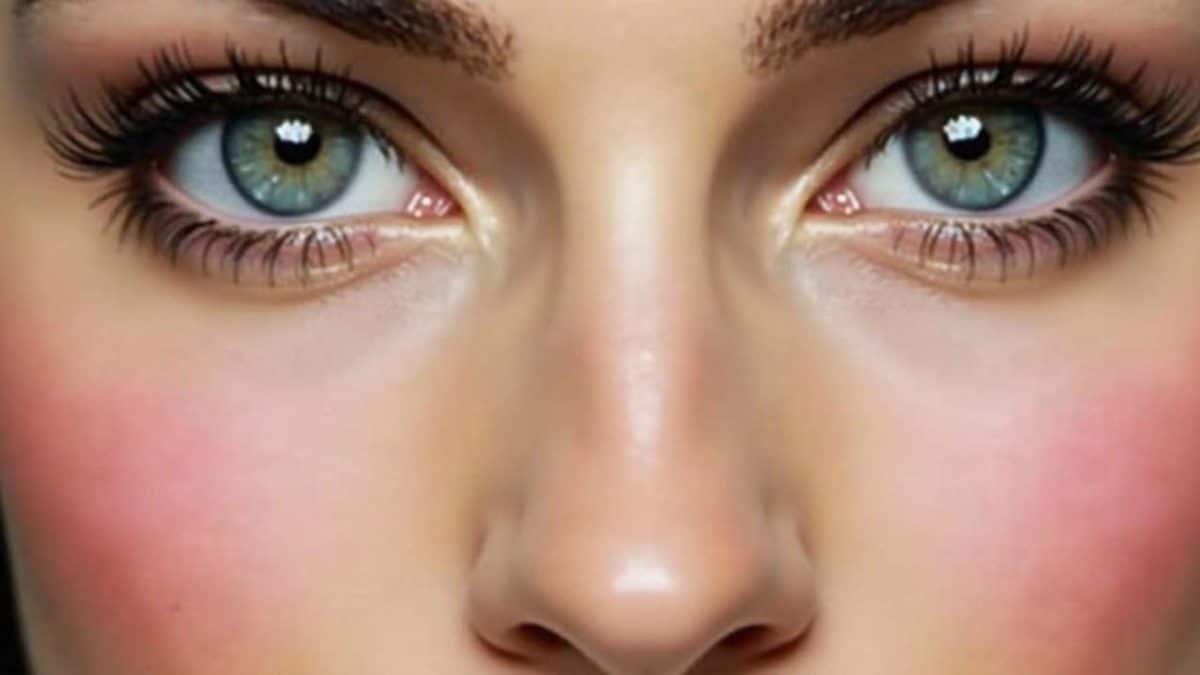
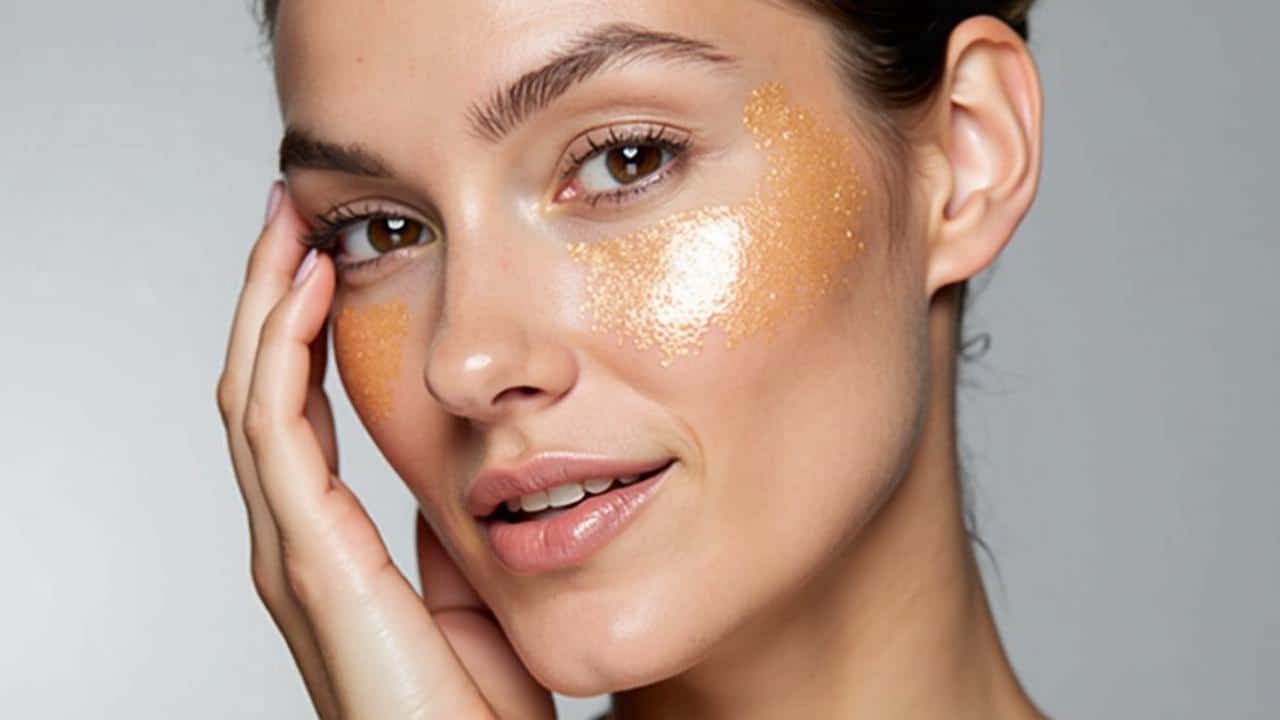
Scroll through your feed at 11 p.m. and you’ll notice it. That specific kind of glow under bathroom lighting, captured in a blurry selfie captioned “no filter”. The Korean glass skin ideal has quietly slipped from niche K‑beauty circles into everyday routines. Not so much about perfection, more about that reflective, hydrated, almost damp look that catches any light in the room.
It stands out because it’s the opposite of full-coverage foundation. It looks oddly vulnerable, like you could smudge it with your thumb.
I met a dermatologist in Paris who said half her younger patients now arrive with screenshots of Korean influencers, pointing at cheeks that look like polished marble. One student told her, “I don’t want matte anymore, I want my face to look like water.” Another client, a 40-year-old project manager, explained she’d swapped her 12-step routine for three steps focused purely on glow.
This isn’t just a trend; it’s a quiet rebellion against flat, filtered skin. People want real texture, but with that wet-skin-in-daylight softness.
There’s a reason glass skin photos do so well on Discover and TikTok: light loves water. When your skin is deeply hydrated and smooth, the surface reflects light instead of scattering it. That’s the science hiding under the obsession. Essence stacking leans into this by offering thin, repeated layers rather than one heavy product. Each layer adds a tiny bit of water, a hint of humectants, maybe some soothing ingredients. On their own, they’re subtle. Stacked, they turn skin into a quiet mirror.
The glow is less about shine, more about how evenly light bounces off your face.
The art of essence stacking for mirror-like radiance
Essence stacking is deceptively simple: think “several sips of water” instead of one big gulp. After cleansing, you apply a watery essence, pat it in, wait a few seconds, then repeat with another layer, or even another essence with a different texture. Korean routines call it the “7-skin method”, but you don’t need seven if that sounds insane to you. Two to four thoughtful layers already change the way your skin holds light.
The trick is keeping each layer light, almost invisible. Your skin should feel bouncy, never slimy.
A common scene: someone buys a trending essence, slaps on five layers in one go, and wakes up wondering why their T‑zone looks like a frying pan. The glow isn’t about quantity, it’s about rhythm. Two layers of a hydrating, fragrance-free essence on still-damp skin after cleansing can be transformational on its own. Then, maybe a third layer focused on barrier repair if your skin feels fragile.
Let’s be honest: nobody really does this every single day. On rushed mornings, you might manage one layer and SPF. On slower evenings, you build your little hydration ritual.
The danger with essence stacking is thinking “more glow” means “more products”. It doesn’t. The most radiant faces I’ve seen belong to people who know when to stop. Too many active ingredients piled on top of each other? Redness, tiny bumps, a tight feeling under the shine.
“Your skin isn’t a Pinterest board, it’s a living barrier,” a Korean facialist told me during an interview. “Essence stacking should feel like giving it water, not tasks.”
- Start with 1–2 layers, not 7.
- Use watery, low-fragrance essences with humectants (glycerin, hyaluronic acid).
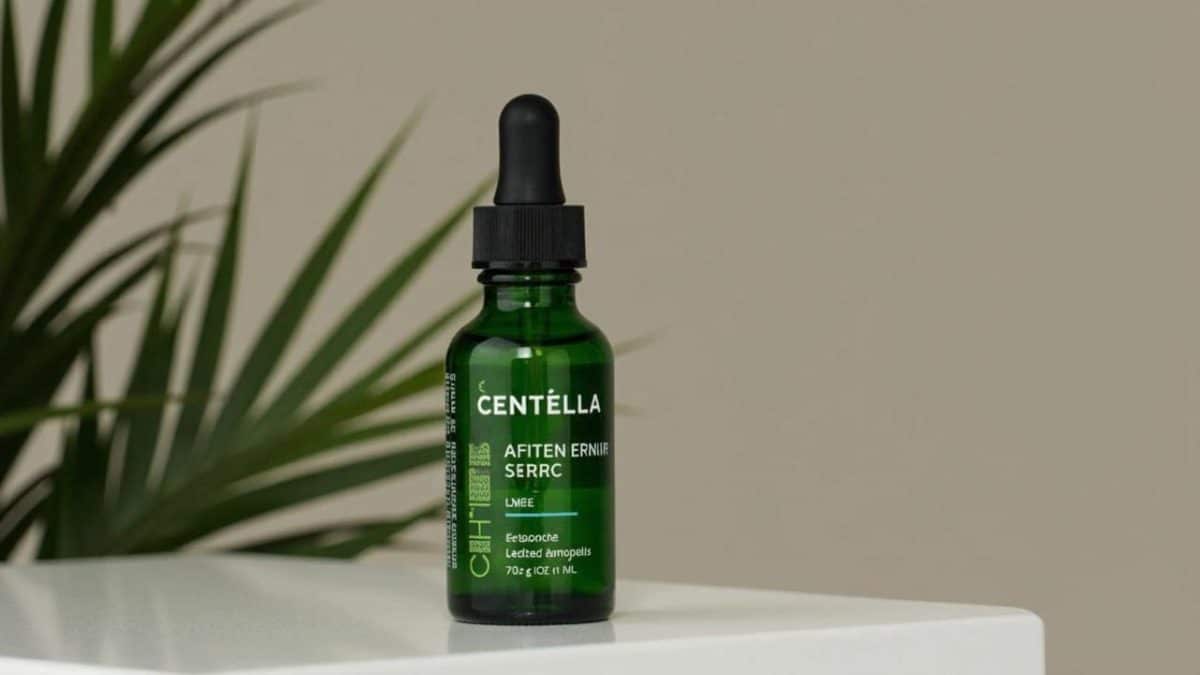
- Add one soothing layer (centella, green tea, panthenol) if you’re sensitive.
- Stop layering when your skin feels bouncy, not tacky.
- Seal everything with a light moisturizer and broad-spectrum SPF in the morning.
Designing a glass skin ritual that feels like you
There’s something strangely calming about tapping in a second or third essence layer at night, bathroom light buzzing, phone on the counter, face a little pink from cleansing. *This is the opposite of the aggressive “fix your flaws” mindset we’ve been sold for years.* Essence stacking invites you to observe your skin: Is it drinking this up? Does it look plumper after the second layer, or is it starting to feel sticky?
The goal isn’t to copy a Korean influencer’s shelf, it’s to find the exact number of invisible layers that turn your own face into soft glass under your own bathroom light.
Some nights, your skin will want more water. On those, two or three layers of essence applied while your face is still slightly damp will feel like giving your pores a long drink. Other nights, one layer and a creamy moisturizer will be plenty. Skin fluctuates with hormones, sleep, heating, stress. That’s why rigid routines tend to fail. Glass skin, when you look closely, is less a finish line and more a responsive practice.
What changes is not just how reflective your cheeks look, but how finely you start to read your own skin.
➡️ Ethical beauty mindset: balancing enhancements with authenticity
➡️ 5 heatless curler hacks for perfect beach waves without damage
➡️ Proactive preventative skincare: exosomes for long-term youth
➡️ Thermal brush styling: smooth frizz for salon-worthy blowouts
➡️ Milky toner magic: hydrate and balance oily skin overnight
➡️ Confidence from within: how self-perception alters beauty standards
➡️ Why snail serum is the 2026 skincare secret for glowing skin
➡️ Centella ampoule serum: soothe redness and heal acne scars
An essence-stacking routine can be as minimal or as layered as you want, as long as you respect one quiet rule: **water first, seal later**. Start with a gentle cleanser, pat — don’t rub — your face so it’s still faintly damp. Then build your essences, from thinnest to slightly thicker, listening for that “springy” feeling under your fingertips. Finish with a cream that locks the water in, then SPF during the day.
The real question isn’t “How do I get glass skin?” but “How do I make my skin hold light in a way that feels like me?”
| Key point | Detail | Value for the reader |
|---|---|---|
| Layer lightly | 2–4 thin essence layers on damp skin | Achieves glow without greasiness or overload |
| Choose gentle formulas | Hydrating, low-fragrance essences with humectants and soothing agents | Reduces risk of irritation and supports a stronger barrier |
| Seal the glow | Finish with moisturizer and daily SPF | Keeps hydration in and protects new radiance from UV damage |
FAQ:
- Do I really need more than one essence?You don’t. One well-formulated hydrating essence can be applied in two light layers and still give a glassy, plump effect. Multiple essences are an option, not a rule.
- Can oily or acne-prone skin try essence stacking?Yes, as long as you use light, non-comedogenic, mostly watery essences and stop before your skin feels sticky. Oily skin often lacks water, not oil.
- Where do actives like vitamin C or retinol fit in?Use them after your first essence layer or in a separate routine (for example, vitamin C in the morning, retinol at night), so you’re not layering too many strong ingredients at once.
- How long before I see a “glass skin” effect?Some people notice more glow after one night of proper hydration. For texture and fine lines, expect 3–4 weeks of consistent, gentle layering.
- Can I do essence stacking with a tight budget?Absolutely. Focus on one affordable hydrating toner or essence, use 2–3 thin layers, and pair it with a basic moisturizer and sunscreen. Technique matters more than price.